



What are the i-ACTIVSENSE Features?
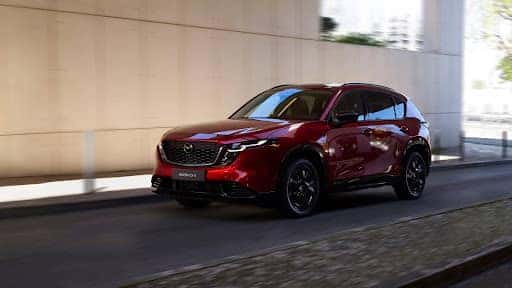
Safety is a top priority for every driver, but in the unpredictable environment of New England, it becomes even more critical. Whether you are navigating the tight streets of downtown Thomaston or commuting through heavy rain on the highway, having an extra set of eyes on the road can make all the difference. Mazda’s answer to this need is i-ACTIVSENSE, a comprehensive suite of advanced safety technologies designed to help you recognize hazards and avoid collisions. At Modern Mazda, a proud member of the Shaker Auto Group, we are committed to providing vehicles that not only look and drive beautifully but also keep you and your loved ones protected.
What is Mazda i-activsense?
Before diving into the specific highlights, it is important to understand the philosophy behind the technology. Mazda i-ACTIVSENSE is not just a single feature; it is an umbrella term for a collection of driver-assist systems that use sensors, cameras, and millimeter-wave radar to monitor the vehicle’s surroundings. These systems are designed to support the driver, providing alerts when a hazard is detected and, in some cases, intervening to help mitigate the severity of an impact. It is about enhancing the human experience of driving by reducing stress and increasing awareness. For our customers in Thomaston, this means a more confident drive regardless of the weather or traffic conditions.
1. Mazda Radar Cruise Control with Stop & Go
One of the most appreciated features for New England commuters is Mazda Radar Cruise Control (MRCC). This system uses radar to judge the relative speed and distance to the vehicle ahead. It automatically adjusts your speed to maintain a safe following distance, which is incredibly helpful during long drives on the Merritt Parkway or Route 8. The “Stop & Go” function takes it a step further by allowing the vehicle to come to a complete stop if the car in front stops, and then resume driving with a simple tap of the accelerator or a button. This significantly reduces driver fatigue in heavy stop-and-go traffic.
2. Smart Brake Support and Smart City Brake Support
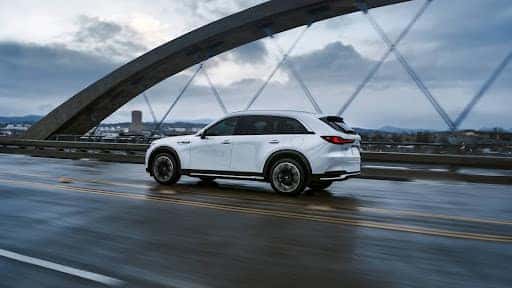
How does mazda smart brake support work? These systems are designed to help avoid or reduce the impact of frontal collisions. Smart City Brake Support (SCBS) operates at lower speeds, typical of driving through Thomaston’s residential neighborhoods. If the system detects an imminent collision with a vehicle or pedestrian, it will prime the brakes for maximum stopping power and can even apply them automatically if the driver fails to act. The standard Smart Brake Support (SBS) performs a similar function at higher highway speeds, providing an essential safety net for every journey.
3. Blind Spot Monitoring and Rear Cross Traffic Alert
How does blind spot monitoring improve safety on Route 8? Changing lanes on busy highways can be nerve-wracking, especially during the dark winter months in Connecticut. Mazda’s Blind Spot Monitoring (BSM) system uses sensors to detect vehicles in your blind spots and provides a visual warning in your side mirrors and active driving display. If you signal to change lanes while a vehicle is detected, the warning flashes and an audible alert sounds. Rear Cross Traffic Alert (RCTA) uses these same sensors to warn you of approaching vehicles while you are backing out of a parking space or driveway, which is perfect for navigating busy local parking lots.
4. Lane Departure Warning and Lane-Keep Assist
Staying centered in your lane is vital for safety, especially when road lines might be obscured by light snow or rain. The Lane Departure Warning System (LDWS) monitors lane markings and alerts you with a vibration in the steering wheel or an audible sound if you begin to drift unintentionally. If the drift continues, Lane-Keep Assist (LAS) can perform minor steering corrections to help guide the vehicle back into the center of the lane. These features work together to ensure that even on the winding roads of Litchfield County, your Mazda remains exactly where it should be.
5. Adaptive Front-Lighting System
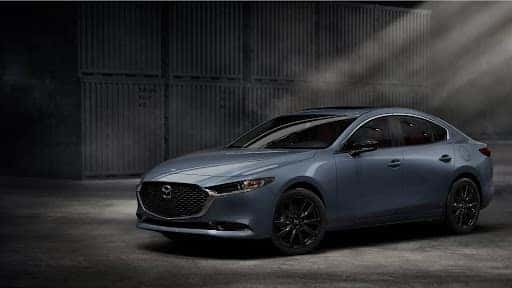
Nighttime visibility is a common concern for drivers in New England, where street lighting can be sparse on rural roads. The Adaptive Front-Lighting System (AFS) is a standout feature that literally looks around corners for you. As you turn the steering wheel, the LED headlights pivot up to 15 degrees in the direction of the turn, illuminating the path ahead rather than just the area directly in front of the car. This helps you spot pedestrians, animals, or obstacles much sooner than you would with traditional fixed headlights, making nighttime driving in Thomaston significantly safer.
6. High Beam Control
Does i-activsense help with winter driving in CT? High Beam Control (HBC) is another essential for our region. It automatically switches between high and low beams based on detected traffic and environmental lighting. This ensures you always have the best possible visibility without the risk of blinding oncoming drivers. During a snowy evening drive, this system manages your lighting for you, allowing you to focus entirely on the road and steering.
At Modern Mazda and the Shaker Auto Group, we believe that the best way to understand these features is to experience them yourself. From the peace of mind provided by Smart Brake Support to the convenience of Radar Cruise Control, i-ACTIVSENSE is designed to make every drive in Thomaston safer and more enjoyable. Whether you are interested in a new Mazda3, CX-30, or the flagship CX-90, you will find these advanced technologies ready to protect you. Visit our showroom today to learn more about how Mazda is leading the way in automotive safety technology.
*Penned by AI, polished by humans
0 comment(s) so far on What are the i-ACTIVSENSE Features?